
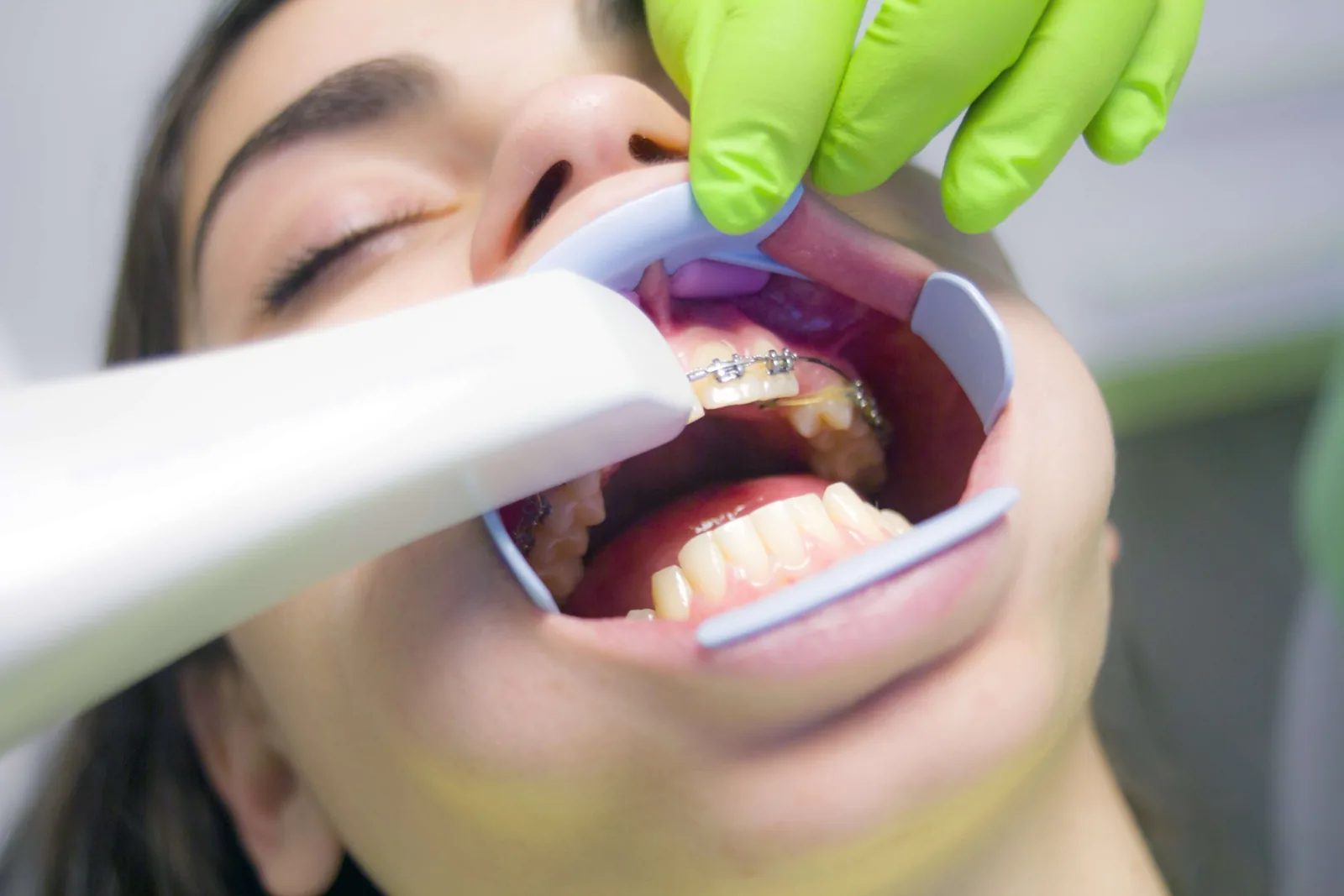
Braces straighten crowded or crooked teeth, or correct a misaligned jaw, known as malocclusion. Your first visit includes a health history, a clinical exam, a digital scan of your teeth, photos of your face and teeth, and X-rays.
Braces are most often used during adolescence, but more and more adults are getting corrective dental braces later in life. We use all of this to build your treatment plan.
For some people, a removable retainer will be all that’s necessary. In other rare cases — especially when there is an extreme overbite or underbite — surgery may be necessary. In most cases, however, braces will be needed.
How Do Braces Work?
Braces apply continuous, gentle pressure over time, which slowly moves teeth in a specific direction. As the teeth move, the bone changes shape to support the new position.
How Long Will I Have to Wear Braces?
The time required for braces varies from person to person, depending on the severity of the problem, the amount of room available, the distance the teeth must travel, the health of the teeth, gums, and supporting bone, and how closely the patient follows instructions. On average, braces stay on for one to three years. After braces are removed, most patients need to wear a retainer full-time for the first six months, then only during sleep for years afterward.
How Often Will I Need to See the Orthodontist During Treatment?
Your orthodontist will want to see you about every month or so to make sure the braces are exerting steady pressure, and to adjust the wires, springs, or rubber bands as needed. In some cases, braces alone aren’t enough to straighten the teeth or shift the jaw, and an external appliance such as headgear may need to be worn at home in the evening or overnight.
Will Braces Be Painful?
Some adjustments may make your mouth feel sore or uncomfortable for a day or two. Over-the-counter pain relievers usually help. If you consistently experience a lot of pain after adjustments, talk to your orthodontist — they may be able to make the adjustments differently.
Does the Age Affect the Success of Braces?
The mechanical process used to move teeth with braces is the same at any age, so the benefits of orthodontic treatment are available to both children and adults. The main difference is that adult treatment may take longer and sometimes need more than braces alone, since adult bones have stopped growing.
Can I Continue to Play Sports While Wearing Braces?
You can continue to participate in any sport with braces on. For contact sports where you might get hit in the mouth, a specially designed mouthguard should be worn — it fits comfortably over braces and protects the soft tissues inside the mouth.
What Care Can I Expect After the Braces Come Off?
After braces are taken off, we clean your teeth thoroughly and may take new X-rays and impressions to check the result and see whether wisdom teeth are developing. If they are, we may recommend removing them so they don’t push your newly straightened teeth out of place.
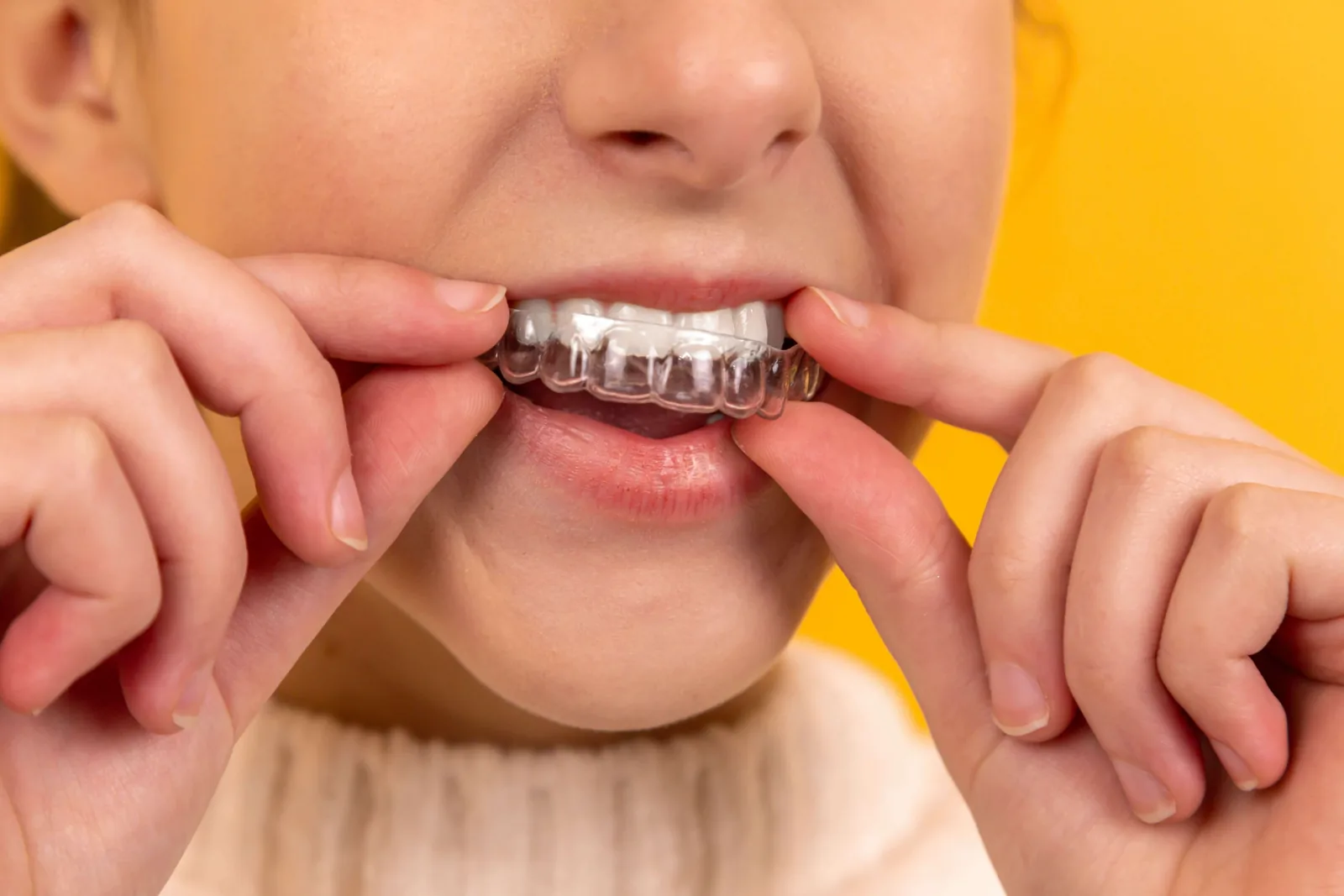
You’ll also be fitted with a retainer — a custom, removable or fixed appliance that helps your teeth maintain their new position. Wearing it as instructed is one of the most important parts of after-braces care.
Retainers are usually clear plastic or wire and plastic. Wear yours full-time for the first six months, then just at night after that — the exact schedule varies by patient. A retainer is needed because even after braces finish moving your teeth, the bone, gums, and muscles take time to settle into the new position, and teeth can shift over time without one.