Specialist care at our Giza and Sheikh Zayed clinics.
A composite restoration — commonly called a filling — repairs a tooth that’s lost some of its structure to decay or an injury. It restores the tooth’s shape and lets it work normally again.
Cosmetic restorations can also be considered as one part of a broader Hollywood smile plan.
Power of Composite Restoration
Composite resin — the tooth-colored filling material — has improved enormously since dentists learned to bond it directly to the tooth. That bond is what makes today’s fillings reliable and predictable.
Compared to the older silver (amalgam) fillings, a composite filling takes more steps and more precision to place well — that precision is what gives the best, most natural-looking result.
Direct Dental Composite Restoration
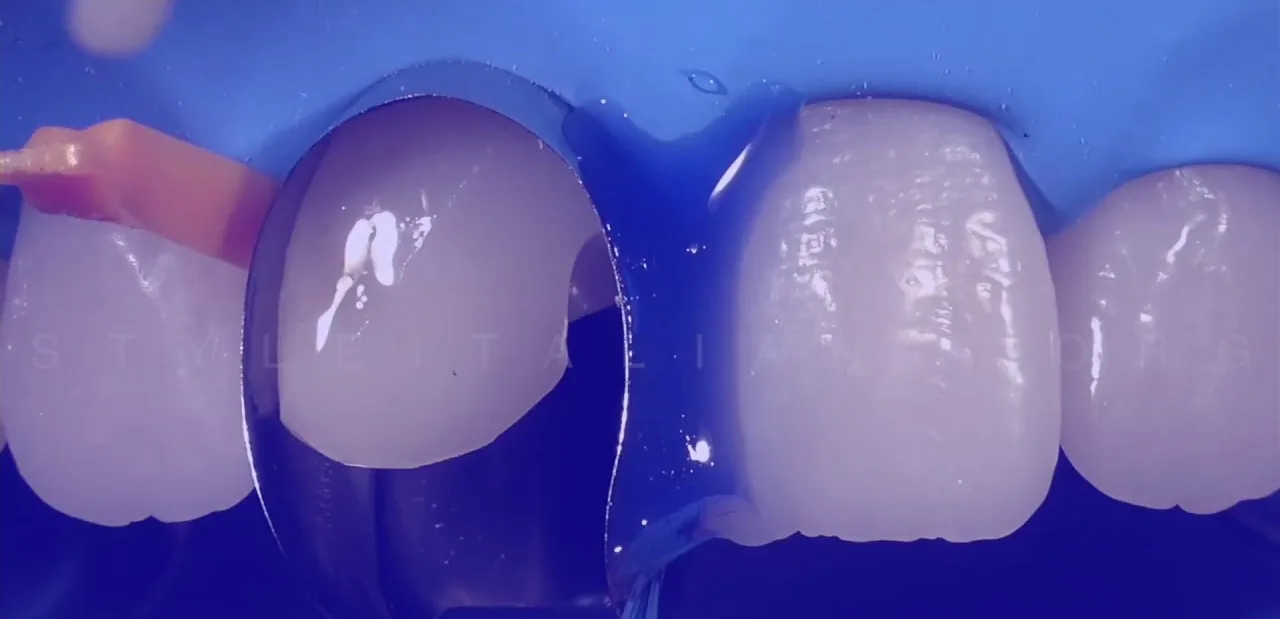
We place composite fillings directly in your mouth during the visit. A handheld curing light hardens the material in place — the tooth-colored resin sets solid within seconds under this light, giving a dense, durable filling with no air bubbles or mixing involved.
Direct dental composites can be used for:
Filling a cavity.
Closing small gaps between teeth with a thin veneer.
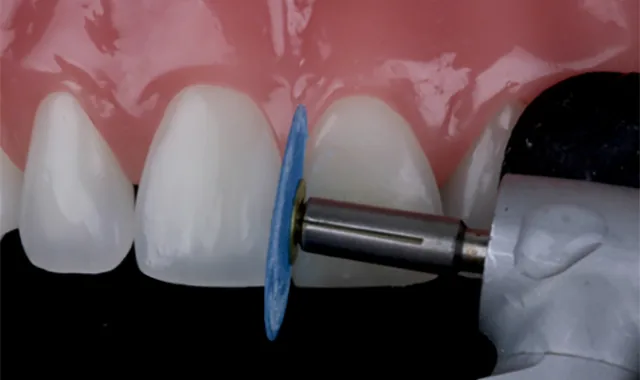
Minor reshaping of a tooth.
Rebuilding part of a single tooth, similar to a partial crown.
Esthetics of Composite Restoration
Composite resin became a popular filling material because it looks like a real tooth, holds up well, is easy for us to shape, and is reasonably affordable. Older composite materials sometimes had to trade durability for looks in back teeth — today’s materials handle both well.
Frequently Asked Questions
What is a composite restoration?
Commonly called a filling, a composite restoration repairs a tooth that's lost some structure to decay or an injury. It restores the tooth's shape and lets it work normally again.
How is a composite filling different from an old-style silver filling?
Composite resin is tooth-colored and bonds directly to the tooth, which is what makes today's fillings reliable and predictable. It takes more steps and precision to place well than an older amalgam filling, but that precision is what gives the best, most natural-looking result.
Is a composite filling done in one visit?
Yes. We place it directly in your mouth during the visit, and a curing light hardens the material in place within seconds — no separate lab step.
What else can a composite filling fix, besides a cavity?
It can close small gaps between teeth with a thin veneer, do minor reshaping of a tooth, or rebuild part of a single tooth similar to a partial crown.
Will my filling match my tooth color?
Yes — that's one of the main reasons composite resin is used instead of the older silver material. It's shaped and shaded to blend with your natural tooth.
Does getting a filling hurt?
We numb the area with a local anesthetic before we start, so the procedure itself shouldn't hurt. Some sensitivity afterward, especially to hot or cold, is normal for a short time.
How long does a composite filling last?
It depends on the filling's size, its location in your mouth, and how well you keep up your oral hygiene. We'll check how it's holding up at your regular visits.
Can a composite filling replace a crown?
Not for every case — a filling repairs a tooth that still has enough healthy structure left. If too much of the tooth is gone, a crown is usually the better option. We'll tell you which one your tooth actually needs.
How do I care for a tooth with a composite filling?
The same as any other tooth: brush twice a day, floss daily, and keep up your regular check-ups so we can catch any issues early.
How much does a composite filling cost?
A firm figure follows an examination of the tooth. The treatment varies with the size and location of the damaged area, the amount of composite material needed, whether one or several teeth require restoration, the complexity of rebuilding the tooth, and the number of visits. The dentist will explain the recommended approach and confirm the total at your consultation.